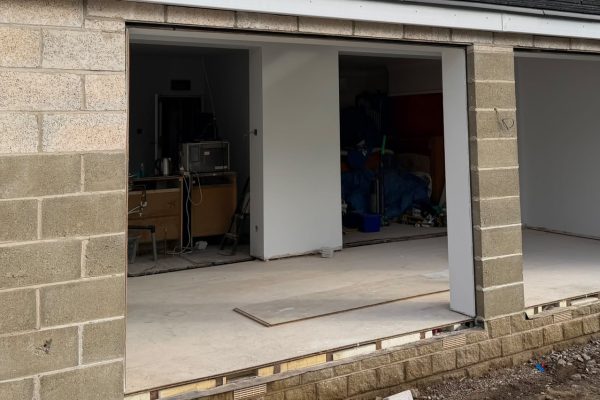
The UK bifold door industry continues to evolve as homeowners, property developers and architects look for ways to combine contemporary design, energy efficiency and improved connections between indoor and outdoor living spaces.
Aluminium bifold doors have become an established feature of modern homes, particularly in kitchen extensions, new-build properties and renovations. Manufacturers are continuing to develop their product ranges, with improvements in thermal performance, security, design flexibility and ease of operation.
As the industry moves towards 2027, several important trends are shaping the future of bifold doors and the wider UK window and door market.
Aluminium Bifold Doors Remain a Popular Choice
Aluminium continues to be one of the most popular materials used in modern bifold door systems.
Its strength allows manufacturers to produce relatively slim frames while accommodating large glazed panels. This makes aluminium particularly suitable for homeowners looking to maximise natural light and create wider openings between their properties and gardens.
Another advantage is its durability. Aluminium is resistant to corrosion, requires relatively little maintenance and can be finished in a wide range of colours.
Powder-coated finishes, particularly anthracite grey, black and contemporary neutral shades, remain popular choices for modern residential projects. Matt black and anthracite grey remain staples for good reason. Dark frames create crisp architectural lines and act like a picture frame around outdoor views, making them ideal for large expanses of glass and slimline sliding doors. Instead of glossy finishes, flat matt and fine-textured coatings are preferred to cut down on glare and give the metal a more sophisticated, tactile feel.
Earthy, botanical shades have become a standout choice, particularly for rural homes, barn conversions, and garden-facing extensions like those in the Peak District. Muted sage, olive, and soft heritage greens blend naturally with stonework, timber cladding, and surrounding greenery without feeling overwhelming.
One of the most practical trends is choosing different colours for the inside and outside of the same frame. Dual-colour systems let you match an exterior shade to your property’s kerb appeal—such as a heritage green or dark grey—while keeping the interior frame crisp white or a soft neutral to brighten your living space.
Energy Efficiency Is Becoming Increasingly Important
Energy efficiency has become one of the most important considerations for homeowners purchasing new external doors, driven not only by household energy costs and environmental awareness, but also by increasingly strict UK Building Regulations for home extensions.
Tightening Building Regulations for Extensions
Under Approved Document L of the Building Regulations, any new extension must meet strict limits on heat loss, with external doors and windows required to achieve a maximum U-value of 1.4 W/m²K (where a lower figure indicates better insulation). In addition, rules around large expanses of glass have tightened: if total glazing exceeds 25% of the extension’s floor area, homeowners must compensate for the extra heat loss elsewhere in the build—often through upgraded insulation or higher-performing doors and windows. With the Future Homes Standard pushing building standards even further toward lower carbon emissions and stricter thermal targets, choosing high-efficiency doors is also a practical way to future-proof a renovation.
How Modern Bifold Systems Reduce Heat Loss
To meet these tougher benchmarks, modern bifold door systems are engineered with multi-chambered thermal breaks, insulated aluminium profiles, high-performance perimeter weather seals, and low-emissivity (Low-E) energy-efficient glazing. Together, these elements prevent cold bridging—where heat escapes through the metal frame—and stop draughts around the folding panels.Larger Glazed Openings and Minimalist Designs.
Focusing on Whole-Door Performance
Manufacturers are also paying far greater attention to whole-door thermal performance rather than relying solely on centre-pane glass ratings. Because frames, thresholds, and gaskets all affect how much warmth stays inside, testing the complete assembled door provides a much more accurate picture of real-world efficiency—and aligns closely with how building control assesses compliance.
What Buyers Should Check
With running costs, comfort, and regulatory compliance all at stake, thermal performance will remain a major selling point. When comparing options, buyers should always ask for the complete door system’s U-value rather than a glass-only figure, and confirm with their supplier or installer that the proposed specification meets current Building Regulations for their extension.
Architectural preferences continue to influence bifold door development.
Many homeowners want larger glazed openings, slimmer sightlines and designs that allow more natural light into their properties.
Bifold doors can provide a practical solution because multiple panels fold neatly to one or both sides of an opening.
Manufacturers are responding with different panel configurations, frame finishes and threshold options to accommodate a wider variety of architectural styles.
The popularity of open-plan kitchen and dining areas has also helped maintain demand for doors that connect internal living spaces with patios, gardens and outdoor entertaining areas.
Security Features Continue to Develop
Security remains a key consideration when choosing external bifold doors.
Modern systems can incorporate multi-point locking mechanisms, reinforced profiles, security glazing options and anti-lift features.
Homeowners should also consider the overall security specification of the installed door rather than assuming that all aluminium bifold doors offer the same level of protection.
Where enhanced security is required, buyers should ask manufacturers and installers about relevant testing and certification, including PAS 24 where applicable.
Sustainability and Aluminium Recycling
Sustainability is becoming increasingly important across the construction and home improvement sectors.
Aluminium is particularly interesting because it can be recycled repeatedly, although the environmental impact of a particular door also depends on how the aluminium is produced, transported and manufactured.
Manufacturers are increasingly able to discuss recycled aluminium content, production processes and environmental credentials.
For homeowners and developers looking to make more sustainable purchasing decisions, these factors are becoming useful points of comparison.
The Importance of Professional Installation
Even a high-quality bifold door system can experience problems if it is incorrectly specified or installed.
Accurate measurements, suitable structural support, correct drainage arrangements and careful adjustment are essential to ensure that the finished installation performs as intended.
Installers must also pay attention to threshold details, weatherproofing and compliance with applicable Building Regulations.
As door systems become more sophisticated, technical knowledge and installation quality remain important differentiators in the market.
What Does the Future Hold for the UK Bifold Door Market?
The UK bifold door industry is likely to continue focusing on improvements in thermal performance, security, aesthetics and product flexibility.
Homeowners are becoming more informed about the differences between door systems, while architects and builders are increasingly considering glazing performance and detailing earlier in the design process.
Manufacturers that can combine attractive designs with reliable engineering, strong technical support and good installation networks will be well positioned to compete.
Final Thoughts
Bifold doors have become an important part of the modern UK home improvement market.
Although aluminium remains a leading material choice, the industry is not standing still. Developments in energy efficiency, security, sustainability and minimalist design are continuing to influence the products available to homeowners.
For anyone considering bifold doors, understanding these developments can help when comparing manufacturers, selecting products and planning a new installation.
Keep up with the latest developments in the UK window and door industry with Bifold Door News.